
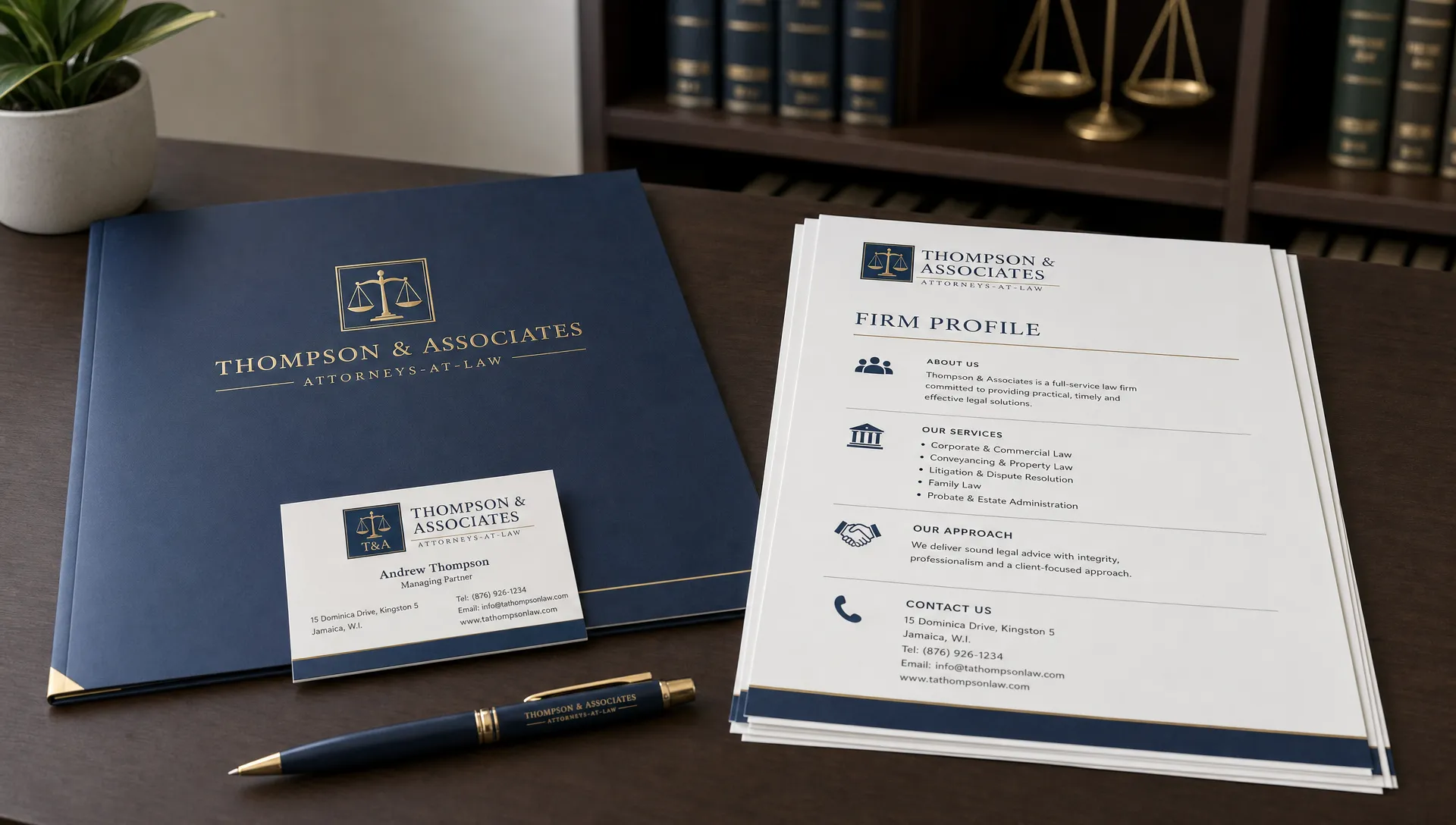
A law firm About Us page is often one of the first places a potential client visits before making contact. It may seem like a simple introduction, but for someone facing a commercial dispute, regulatory issue, intellectual property concern, shipping matter, or litigation risk, that page carries real weight.
Clients are not only asking, “Who are these attorneys?” They are asking, “Can I trust this firm with a serious legal matter?”
A strong law firm About Us page should help answer that question clearly, professionally, and without exaggeration. It should give clients enough information to understand the firm’s identity, experience, standards, and approach before they decide whether to schedule a consultation.
Why the About Us page matters to clients
Legal services are built on trust. Unlike buying a standard product, hiring a law firm usually involves confidential information, financial exposure, business risk, personal stress, and important decisions. A client may not know the full legal path ahead, but they do know they need credible guidance.
That is why the About Us page should not read like a generic brochure. It should reduce uncertainty. It should help the client understand whether the firm is serious, organized, experienced, and capable of handling the type of matter they have.
For clients in Jamaica, this is especially important where legal matters may involve local court procedure, regulatory requirements, business customs, regional transactions, or cross-border issues. A client wants to know that the firm understands not just the law, but the environment in which the client’s issue exists.
The best About Us pages do three things well. They explain who the firm is, show how the firm works, and help the client decide whether the fit is right.
The core questions a law firm About Us page should answer
A useful About Us page should be written from the client’s point of view. It should anticipate the concerns a reasonable client has before speaking with an attorney.
Client question | What the About Us page should explain | Why it matters |
Who are you? | The firm’s identity, location, history, and professional focus | Clients need to know they are dealing with a real, established legal practice |
What do you do? | The firm’s main practice areas and types of clients served | Clients want to know whether their matter is within the firm’s experience |
How do you work? | The firm’s approach to strategy, communication, confidentiality, and service | Clients need confidence in the process, not just the outcome |
Why should I trust you? | Credentials, experience, values, advocacy style, and professional standards | Trust is essential before a client shares sensitive information |
What should I do next? | Clear guidance on how to contact the firm or prepare for a consultation | A client should not feel lost after reading the page |
If a page does not answer these questions, it may leave the client with more uncertainty than confidence. A polished design is helpful, but substance matters more.
It should explain the firm’s identity, not just its name
A law firm About Us page should begin with a clear explanation of the firm’s identity. This is more than repeating the firm name or saying the firm is “committed to excellence.” Clients need context.
Helpful identity details include the firm’s jurisdiction, the markets it serves, the nature of its work, and the qualities that shape its practice. For a Jamaican law firm, clients may want to understand whether the firm handles local matters only, international matters, commercial matters, litigation, advisory work, or a mix of services.
The page should also make clear whether the firm represents businesses, individuals, institutions, international clients, or specific sectors. A business owner facing a banking dispute, for example, will read an About Us page differently from an individual seeking assistance with a civil claim.
A strong identity statement is specific enough to be useful, but not so narrow that it reads like a list of every case the firm has ever handled.
It should show relevant experience without making empty claims
Clients are drawn to experience, but they are also wary of vague claims. Phrases such as “the best lawyers” or “guaranteed results” are not only unhelpful, they can create the wrong impression. Legal outcomes depend on facts, evidence, applicable law, procedure, negotiation dynamics, and judicial decision-making.
A better About Us page shows experience in a responsible way. It may refer to practice areas, types of matters, sectors served, years in practice, leadership roles, appellate work, dispute resolution experience, or regulatory familiarity. If the firm has a track record in commercial litigation, data privacy, compliance, intellectual property, admiralty, arbitration, or banking disputes, the page should help clients understand that focus without overpromising.
Clients should look for relevance. A firm may be highly capable, but the question is whether its experience matches the client’s matter. Someone comparing options can use the same practical criteria discussed in how to compare an attorney’s law firm with confidence, including experience, communication, fee transparency, ethics, and strategic judgement.
It should describe the people behind the work
Clients hire a law firm, but they work with people. An About Us page should give a sense of the attorneys and legal professionals involved, even if detailed biographies appear elsewhere on the website.
This does not mean every paragraph must be personal. The page should, however, make the firm feel accountable and human. Clients want to know whether the firm is led by experienced professionals, whether matters are handled by appropriate team members, and whether the firm values preparation, responsiveness, and judgment.
Good attorney profiles often include qualifications, admissions, practice focus, representative experience where appropriate, publications, speaking engagements, professional memberships, or areas of particular interest. The key is clarity. Clients should be able to understand who may be involved in their matter and why that person is suited to the work.

It should explain the firm’s client service philosophy
A strong About Us page should tell clients what kind of service experience they can expect. Legal skill is essential, but clients also care about how they will be treated.
This includes communication, responsiveness, preparation, transparency, and respect for confidentiality. A client wants to know whether the firm will listen carefully, explain options clearly, and provide practical advice rather than legal theory alone.
For many clients, especially business clients, legal advice must connect to commercial reality. A technically correct answer may not be enough if it does not account for timing, cost, reputation, operational risk, or regulatory consequences. An About Us page should therefore show that the firm understands the broader context in which clients make decisions.
This is consistent with what clients should expect from a modern law office, including structured consultations, clear communication, confidentiality, and practical legal guidance. A firm’s About Us page should set expectations that the client experience later confirms.
It should clarify practice areas in client-friendly language
Practice areas should not be buried in dense legal language. A client may not know whether their issue falls under commercial litigation, compliance, intellectual property, data privacy, civil litigation, competition law, or arbitration. The About Us page should make it easier to understand the firm’s areas of work.
For example, a business client may understand that they have a contract dispute, a shareholder disagreement, or a regulatory concern, even if they do not know the exact legal category. The page should help connect real client problems to legal services.
This does not require a long explanation of every practice area. Instead, the About Us page can give a high-level overview and direct readers to more detailed pages or articles. For business readers, it may be useful to connect the firm’s profile with the broader role described in key services of a law firm for modern businesses, such as contracts, governance, compliance, intellectual property, and dispute resolution.
It should signal professionalism and ethical standards
Because legal work involves trust, an About Us page should reflect professionalism. This includes the tone of the writing, the accuracy of the information, and the absence of irresponsible promises.
Clients should be cautious when a page suggests guaranteed success, attacks other firms, or relies only on aggressive marketing. Strong advocacy does not require careless language. In serious legal matters, measured confidence is often more persuasive than loud claims.
Professionalism also includes confidentiality. A firm should be careful about how it discusses past work, client matters, or case results. If examples are used, they should be presented in a way that respects professional duties and avoids misleading impressions.
An About Us page is not a substitute for formal legal advice, and it should not pretend to be. Its purpose is to help clients decide whether to start a professional conversation.
It should help clients understand the firm’s approach to strategy
Clients do not only need legal information. They need strategy. A well-written About Us page should make clear whether the firm approaches matters with careful analysis, preparation, negotiation where appropriate, and readiness for formal proceedings when needed.
This is especially important in litigation, arbitration, mediation, appellate matters, and commercial disputes. Clients want to know that the firm is not simply reacting to events, but thinking ahead.
Strategic legal service may involve assessing risk, preserving evidence, identifying leverage, reviewing documents, advising on settlement possibilities, preparing for hearings, and managing reputational or business consequences. A law firm About Us page does not need to explain all of this in detail, but it should communicate that the firm takes a thoughtful and disciplined approach.
It should be clear about who the firm is best suited to help
No law firm is the right fit for every client or every matter. A useful About Us page gives potential clients enough information to self-assess whether the firm may be suitable.
This can include the firm’s main practice areas, jurisdictional focus, type of matters handled, typical client profile, and whether the firm works on contentious, advisory, transactional, regulatory, or specialized matters.
This clarity benefits both the client and the firm. Clients save time by contacting firms that are more likely to understand their issue. Firms can have more productive consultations because the potential client arrives with a clearer sense of the firm’s work.
Red flags clients should notice on an About Us page
A weak About Us page does not automatically mean a weak law firm, but it may signal that clients need to ask more questions. Since the page is often the first point of contact, it should be current, clear, and professional.
Common warning signs include:
Vague claims with no explanation of actual practice areas or experience
Outdated information, broken links, or attorney details that appear incomplete
Promises of guaranteed outcomes or language that sounds unrealistic
No clear indication of jurisdiction, location, or professional focus
No practical next step for contacting the firm or arranging a consultation
Clients should also pay attention to tone. A firm can be confident and assertive without being careless. The best legal writing is usually clear, precise, and grounded in judgment.
What law firms should remember when writing their About Us page
For law firms, the About Us page should not be treated as a formality. It is a trust-building tool. It should be written for real clients who may be anxious, uncertain, busy, or under pressure.
The page should avoid internal jargon. It should not assume that clients already understand the difference between litigation and arbitration, advisory work and compliance, or trial advocacy and appellate practice. It should explain enough to be useful while preserving the professionalism expected of a legal practice.
It should also align with the client experience. If the page promises clear communication, consultations should be organized. If it emphasizes client-focused service, clients should feel heard. If it highlights strategic thinking, advice should be practical and tailored.
An About Us page creates expectations. The firm must be prepared to meet them.
Frequently Asked Questions
What is the purpose of a law firm About Us page? A law firm About Us page should help clients understand the firm’s identity, experience, values, service approach, and whether the firm may be suitable for their legal matter.
Should clients rely only on the About Us page when choosing a law firm? No. The About Us page is a starting point. Clients should also review practice areas, attorney profiles, relevant articles, consultation process, communication style, and professional fit before deciding.
What makes a law firm About Us page trustworthy? Specific information, clear language, relevant experience, professional tone, ethical restraint, and realistic descriptions of the firm’s work make the page more trustworthy than vague claims or exaggerated promises.
Should an About Us page mention practice areas? Yes. It should give clients a clear overview of the firm’s main legal services and help them understand whether their issue falls within the firm’s experience.
What should clients do after reading a law firm About Us page? If the firm appears relevant, clients should prepare a short summary of their issue, gather key documents, note important deadlines, and contact the firm to ask about the next step.
Choosing a law firm starts with informed trust
A strong law firm About Us page should do more than introduce a name. It should help clients make a careful, informed decision about who may be trusted with an important legal issue.
For clients seeking legal support in Jamaica, Henlin Gibson Henlin offers client-focused legal services across a range of practice areas, including litigation, compliance, intellectual property, data privacy, arbitration, admiralty and shipping, and commercial matters. To learn more about the firm’s work and approach, visit Henlin Gibson Henlin.