
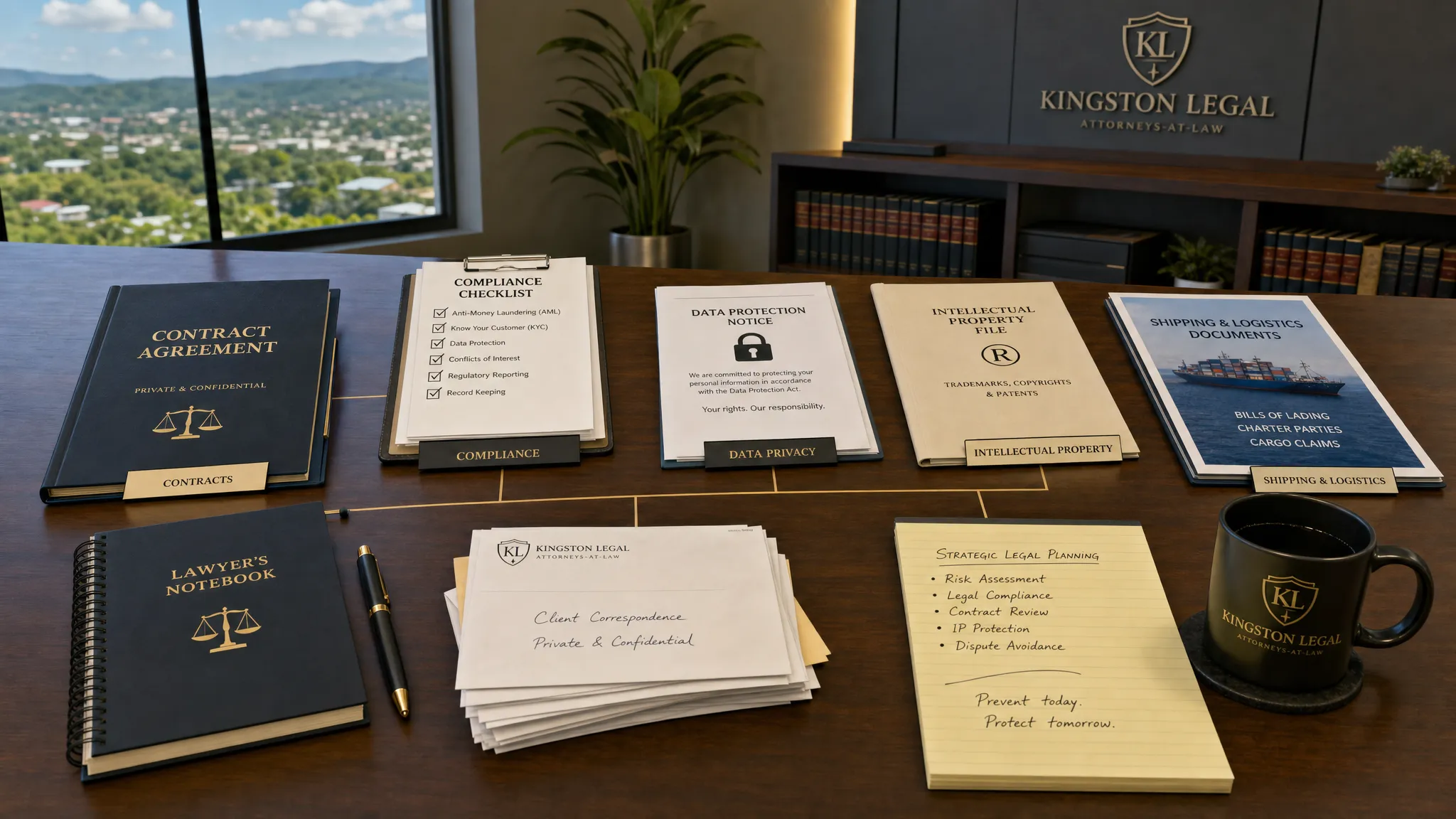
When people think of attorneys, they often picture a courtroom. Court advocacy is important, but it is only one part of what legal services attorneys can do. A good attorney can help you understand your rights, prevent avoidable risk, negotiate stronger agreements, manage disputes, protect business assets, and make decisions with a clearer view of the legal consequences.
For individuals, that might mean responding to a claim, reviewing a contract, protecting confidential information, or challenging an unfair decision. For businesses, it may involve compliance, commercial litigation, data privacy, intellectual property, competition issues, banking disputes, shipping matters, or strategic advice before a transaction is signed.
This article explains the main areas legal services attorneys can handle, how they add value, and when it is wise to seek advice early rather than waiting for a problem to escalate.
What “legal services attorneys” really means
Legal services attorneys provide professional legal support across different stages of a matter. Some work is preventive, such as reviewing contracts or advising on compliance. Some is protective, such as responding to a demand letter or preserving evidence. Some is strategic, such as deciding whether to negotiate, mediate, arbitrate, file a claim, or appeal a decision.
The right attorney does not simply quote the law. They help you apply it to your facts, your risks, your deadlines, and your commercial or personal goals. In Jamaica, as in many jurisdictions, legal problems often overlap. A business dispute may involve contracts, data privacy, banking issues, employment concerns, intellectual property, or reputational risk at the same time.
That is why legal services are best understood by what they help you achieve: clarity, protection, leverage, and resolution.
Legal advice before you make a major decision
One of the most valuable roles an attorney plays is helping you before a decision becomes difficult to reverse. Many people seek legal help only after something has gone wrong. By then, documents may already be signed, deadlines may have passed, or statements may have been made that affect the outcome.
Attorneys can advise before you:
Sign a contract, lease, settlement agreement, loan document, or shareholder agreement
Respond to a legal letter, regulator, bank, employer, customer, supplier, or business partner
Terminate a business relationship or take disciplinary action
Launch a new product, brand, digital platform, or commercial arrangement
Share sensitive personal, financial, customer, employee, or business information
Begin court proceedings, arbitration, mediation, or settlement discussions
Early advice is not just about avoiding trouble. It can also improve your negotiating position. When you understand your rights, obligations, and risks, you can choose a better strategy from the beginning.
Contract drafting, review, and negotiation
Contracts are central to personal and business life. They define who must do what, when payment is due, what happens if something goes wrong, and how disputes will be handled. Yet many disputes begin because parties relied on vague terms, informal promises, copied templates, or agreements that did not fit the transaction.
Legal services attorneys can help draft, review, and negotiate agreements such as commercial contracts, service agreements, distribution arrangements, confidentiality agreements, employment-related documents, settlement agreements, loan and security documents, licensing arrangements, and terms of business.
A well-drafted contract should not be unnecessarily complicated. It should be clear, enforceable, practical, and aligned with the relationship. Attorneys look for issues that non-lawyers often miss, including ambiguous obligations, unrealistic deadlines, missing remedies, weak confidentiality clauses, one-sided indemnities, unclear termination rights, and dispute resolution clauses that may not serve your interests.
For businesses, contract review is especially important where a deal affects cash flow, intellectual property, customer data, regulatory exposure, or long-term obligations.
Civil and commercial disputes
Civil and commercial disputes cover a wide range of non-criminal matters. These may involve unpaid debts, breach of contract, shareholder disagreements, property-related conflicts, professional negligence claims, consumer issues, injunctions, enforcement, or disputes between businesses.
Attorneys can help assess whether you have a viable claim or defence, what evidence is needed, what deadlines apply, and whether the matter should be resolved through negotiation, mediation, arbitration, or litigation. They can also draft pre-action letters, responses, pleadings, witness statements, legal submissions, and settlement documents.
If you are unsure whether your issue falls into this category, Henlin Gibson Henlin’s guide to civil matters for businesses and individuals gives a helpful overview of common civil disputes and why early assessment matters.
The goal is not always to “go to court.” In many cases, the goal is to resolve the dispute efficiently while protecting your legal and commercial position. A strong legal strategy often includes knowing when to press forward, when to negotiate, and when settlement is the best outcome.
Litigation and court representation
When a matter cannot be resolved informally, litigation may be necessary. Litigation attorneys handle the structured process of bringing or defending claims in court. This includes analyzing the facts, developing legal arguments, preparing court documents, managing evidence, complying with procedural rules, appearing at hearings, cross-examining witnesses, and advocating for the client’s position.
Litigation can be demanding because procedure matters. Missing a deadline, filing the wrong document, failing to disclose relevant material, or taking the wrong tactical step can affect the outcome. Attorneys help clients navigate those risks while keeping the broader objective in mind.
A litigation attorney may assist with:
Urgent applications, including injunctions or interim relief
Claims for breach of contract or damages
Debt recovery and enforcement issues
Commercial and shareholder disputes
Judicial review or public law challenges where appropriate
Trial preparation, settlement negotiations, and hearings
For a deeper look at this role, see Henlin Gibson Henlin’s article on what litigation attorneys do and when to hire one.
Appeals and post-judgment strategy
A court judgment is not always the end of the matter. Sometimes a party may have grounds to appeal, apply to set aside an order, seek a stay, enforce a judgment, or respond to enforcement action. Appellate work is different from trial work because the focus is usually on legal error, procedural fairness, interpretation, or the proper exercise of discretion.
Attorneys handling appeals must review the record carefully, identify appealable issues, prepare written submissions, and present focused legal argument. They also advise on the practical question that clients often need answered first: is an appeal worth pursuing?
That assessment may include prospects of success, costs, time, business disruption, enforcement risk, reputational considerations, and settlement opportunities.
Arbitration, mediation, and negotiated settlement
Not every serious dispute belongs in a courtroom. Arbitration and mediation can offer more flexible paths to resolution, especially in commercial matters where confidentiality, speed, technical expertise, or preserving business relationships may be important.
In mediation, a neutral mediator helps the parties explore settlement. The mediator does not impose a decision. The attorney’s role is to prepare the client, clarify strengths and weaknesses, identify acceptable terms, and draft any settlement agreement carefully.
In arbitration, a neutral arbitrator or panel makes a binding decision, depending on the arbitration agreement and applicable rules. Attorneys can assist with the full arbitration process, from jurisdictional objections and evidence to hearings and enforcement.
Negotiated settlement can happen before or during litigation, arbitration, or mediation. A settlement should be drafted with care so that obligations are clear, releases are properly worded, payment terms are enforceable, and future disputes are minimized.

Business compliance and risk management
Legal services attorneys also help businesses reduce risk before disputes arise. This is especially important for companies operating in regulated sectors, handling personal data, entering competitive markets, managing employees, lending or borrowing money, shipping goods, or working with government agencies.
Compliance is not just paperwork. It is the process of aligning business operations with legal duties, internal policies, contractual obligations, and industry standards. Poor compliance can lead to penalties, litigation, reputational harm, loss of customer trust, or failed transactions.
Attorneys may advise on governance, internal policies, regulatory obligations, risk allocation in contracts, data handling, competition law, consumer-facing terms, board decisions, and dispute avoidance. For a more business-focused discussion, Henlin Gibson Henlin explains how law attorneys support businesses through risk.
The practical benefit is that legal advice becomes part of business planning rather than emergency response.
Data privacy and confidential information
Data privacy is now a major legal concern for businesses, professionals, and organizations that collect or process personal information. In Jamaica, the Data Protection Act has increased attention on how personal data is collected, stored, used, shared, and secured.
Legal services attorneys can help clients understand privacy obligations, review data practices, draft privacy notices, assess consent and lawful processing issues, respond to data incidents, and manage risks involving employees, customers, suppliers, or digital platforms.
Confidentiality also extends beyond privacy law. Businesses often need protection for trade secrets, client lists, pricing information, technical materials, internal communications, and sensitive commercial strategies. Attorneys can help structure confidentiality agreements, internal controls, employee obligations, and responses to suspected misuse.
Intellectual property and brand protection
Intellectual property can include trade marks, copyright, designs, confidential information, licensing rights, and other intangible assets that give a business or creator commercial value. If those assets are not protected, competitors, former business partners, contractors, or online actors may misuse them.
Attorneys can assist with identifying IP assets, reviewing ownership, preparing licensing agreements, addressing infringement, sending or responding to cease-and-desist letters, and structuring commercial use of creative or technical work.
This is particularly important when businesses outsource design, software, marketing, content creation, product development, or branding. A common mistake is assuming that payment automatically gives full ownership. The legal position often depends on the agreement, the nature of the work, and the surrounding circumstances.
Banking, finance, and debt-related matters
Banking and finance disputes can involve loans, guarantees, security documents, enforcement, restructuring, account issues, allegations of breach, or disagreements over financial obligations. These matters can be high-stakes because they may affect property, cash flow, credit arrangements, and business continuity.
Legal services attorneys may review facility letters, demand letters, guarantees, mortgages, debentures, settlement proposals, and enforcement steps. They can also advise borrowers, lenders, guarantors, directors, and commercial parties on their rights and options.
Debt recovery is another common area where legal advice matters. The best approach depends on the amount involved, the available evidence, the debtor’s position, limitation periods, contractual terms, and whether litigation or negotiation is likely to produce a better result.
Admiralty, shipping, and cross-border issues
For clients involved in shipping, logistics, marine commerce, or international trade, legal matters may involve cargo claims, vessel-related disputes, charterparty issues, marine insurance, port matters, contractual liability, or cross-border enforcement.
Admiralty and shipping law is a specialized field because it often combines local procedure with international commercial practice. Attorneys working in this area help clients respond quickly, assess jurisdiction, preserve evidence, manage urgent applications where available, and coordinate strategy where multiple countries or parties are involved.
This type of legal support is especially valuable where delays can create significant financial loss or where documentation, timing, and forum selection affect the outcome.
Employment, workplace, and organizational disputes
Workplace issues can escalate quickly if handled without legal guidance. Employers may need advice on disciplinary procedures, termination, redundancy, policy enforcement, confidentiality, restrictive covenants, or settlement discussions. Employees may need advice on dismissal, unpaid compensation, discrimination, workplace treatment, or contractual rights.
Legal services attorneys can help both sides understand the relevant documents, applicable law, procedural fairness, evidence, and practical options. For organizations, early legal input can reduce the risk of claims and improve internal decision-making. For individuals, it can clarify whether a concern is legally actionable and what remedies may be available.
What attorneys can do at each stage of a legal matter
Legal support changes depending on where you are in the problem. The table below shows how attorneys commonly assist at different stages.
Stage of matter | What an attorney can handle | Why it matters |
Before signing or acting | Review documents, explain obligations, flag risks, negotiate terms | Prevents avoidable disputes and weak legal positions |
Early disagreement | Assess rights, draft letters, preserve evidence, advise on strategy | Helps control the narrative before the dispute escalates |
Formal dispute | Prepare pleadings, manage procedure, negotiate, represent you in hearings | Protects your case and ensures compliance with legal rules |
Settlement discussions | Evaluate offers, draft terms, structure payment or performance obligations | Reduces the risk of unclear or unenforceable settlements |
After judgment or award | Advise on appeal, enforcement, stays, compliance, or negotiated outcomes | Helps determine the most practical next step |
How to know when you should contact an attorney
You do not need to wait until you are sued or served with formal papers. In many cases, the best time to speak with an attorney is when you first notice that a situation could affect your rights, money, property, reputation, business, or personal information.
Consider getting legal advice if:
The other side has threatened legal action or sent a formal letter
You are being asked to sign something you do not fully understand
A dispute involves significant money, property, data, or business risk
A regulator, bank, employer, supplier, customer, or partner is pressing for a response
You are unsure about deadlines, evidence, liability, or your next step
The issue could damage your reputation or future business relationships
The cost of early advice is often lower than the cost of correcting a mistake later. Even a focused consultation can help you understand whether the matter is urgent, what documents matter, and what options are realistic.
What to prepare before meeting legal services attorneys
A productive first meeting depends on clear information. You do not need to have every answer, but you should organize the key facts and documents as much as possible.
Bring or prepare the relevant contracts, letters, emails, invoices, receipts, court documents, company records, policies, identification documents, timelines, names of involved parties, and any evidence that supports your position. If the matter involves digital information, preserve messages, screenshots, metadata where possible, and original files.
It also helps to be clear about your objective. Do you want payment, an injunction, a negotiated exit, a defence, a formal opinion, a settlement, a policy review, or simply a risk assessment? Your attorney can advise you more effectively when they understand both the legal issue and the result you hope to achieve.
Choosing the right attorney for the matter
Not every attorney handles every type of legal issue. A lawyer who is excellent in one practice area may not be the right fit for a specialized commercial, data privacy, shipping, competition, or appellate matter. Look for alignment between your problem and the attorney’s experience.
When choosing legal services attorneys, consider the type of matter, the complexity, the value at stake, the likely forum, the urgency, and the attorney’s ability to explain strategy in plain language. Strong legal representation should feel structured, candid, and focused. You should understand what the attorney is doing, why it matters, and what risks remain.
For businesses and individuals in Jamaica, the right legal team can provide more than representation. It can provide a strategic advantage.
Frequently Asked Questions
What types of issues can legal services attorneys handle? Legal services attorneys can handle contract review, civil disputes, commercial litigation, compliance, data privacy, intellectual property, banking disputes, arbitration, mediation, appeals, employment-related issues, and specialized matters such as admiralty and shipping, depending on their practice areas.
Do I need an attorney if I am not going to court? Yes, legal advice is often useful before a matter reaches court. Attorneys can help prevent disputes, negotiate agreements, respond to letters, protect confidential information, assess risk, and settle matters without litigation where appropriate.
When should I contact an attorney about a dispute? You should consider contacting an attorney as soon as the dispute involves important rights, money, property, business risk, deadlines, reputational concerns, or formal correspondence. Early advice can help preserve evidence and avoid strategic mistakes.
Can an attorney help my business with compliance? Yes. Attorneys can help businesses review policies, contracts, governance practices, data privacy obligations, regulatory exposure, and risk management processes. This can reduce the chance of disputes and improve decision-making.
What should I bring to my first consultation? Bring key documents, correspondence, contracts, timelines, names of the parties involved, proof of payments or losses, and any evidence connected to the issue. The more organized your information is, the easier it is for the attorney to assess your options.
Speak with a legal team that understands complex matters
Legal issues rarely exist in isolation. A contract problem may become a litigation risk. A business decision may raise compliance, data privacy, competition, or intellectual property concerns. A dispute may call for negotiation today and court action tomorrow.
Henlin Gibson Henlin provides client-focused legal services across a range of practice areas, including commercial litigation, civil litigation, data privacy, compliance and risk, intellectual property, banking litigation, arbitration and mediation, appellate matters, and admiralty and shipping. If you need clear guidance on a legal issue in Jamaica, consider seeking tailored advice before the next step is taken.