
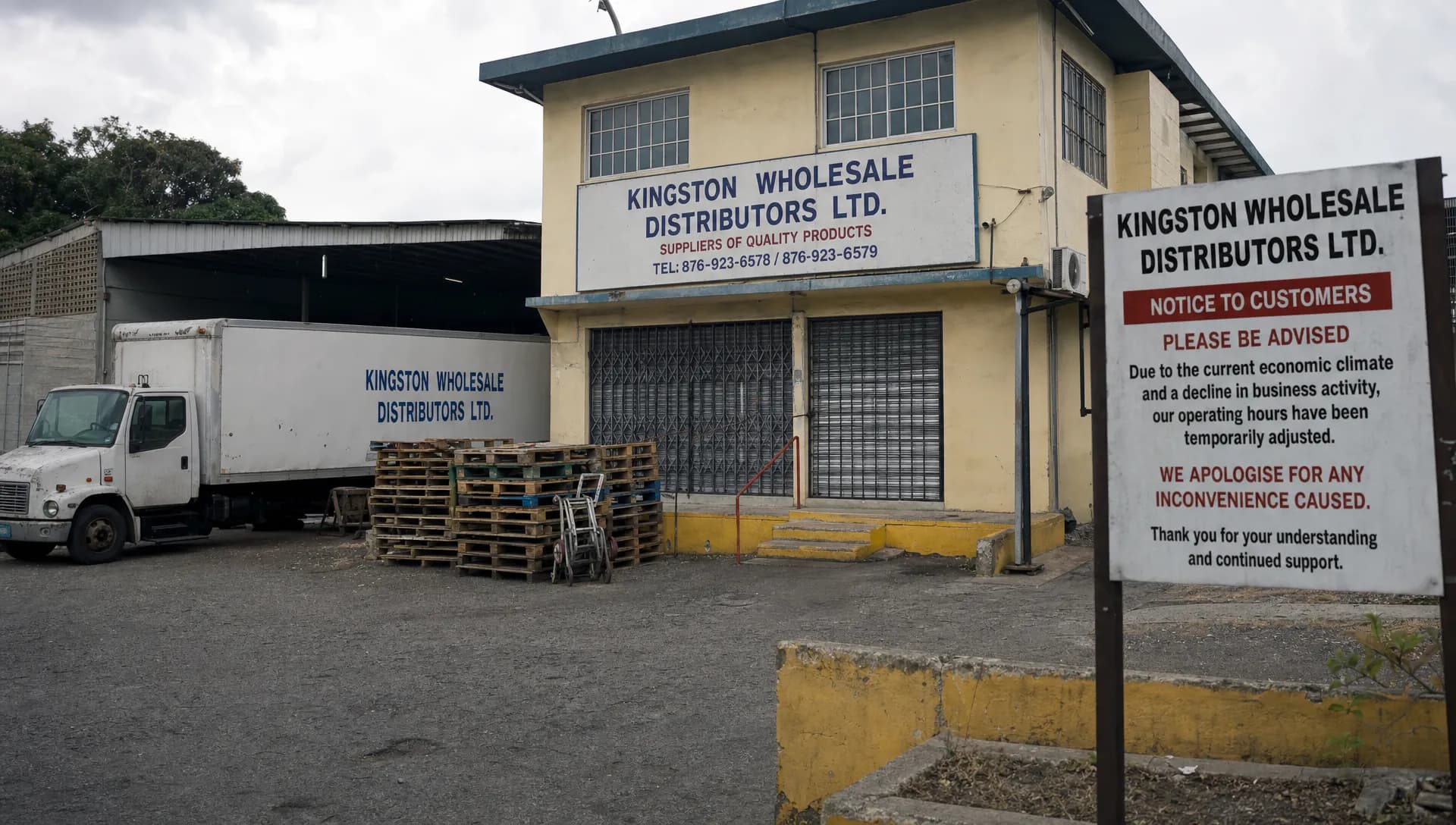
When a company cannot pay its debts, the issue is not only about a missed invoice. It can affect contracts, bank facilities, employees, directors, shareholders and creditors who are deciding whether to keep negotiating or take legal action. In Jamaica, the right response depends on whether the company has a short-term cash-flow problem or is truly insolvent, and on whether you are the company, a director, a lender or an unpaid creditor.
This article explains the practical legal consequences in plain terms. It is general information, not legal advice, but it can help you identify the point at which commercial pressure becomes a legal risk.
What it means when a company cannot pay its debts
A company may be unable to pay debts for several reasons. It may have customers who are paying late, a failed project, a major judgment against it, a tax liability, a bank facility in default or a sudden loss of revenue. Not every missed payment means the company is insolvent.
Two questions usually matter:
Can the company pay debts as they fall due? This is often called a cash-flow test.
Are the company’s liabilities greater than its assets? This is often called a balance sheet test.
A company can have valuable assets and still be unable to pay rent, wages or loan instalments on time. It can also have money in the bank but be balance-sheet insolvent because its liabilities exceed the realistic value of its assets. Both situations need careful handling.
If a company cannot pay its debts, informal promises such as “we will settle next week” may not be enough. Directors should understand the company’s actual financial position, creditors should preserve evidence and both sides should consider the legal consequences of delay.
The first consequences are usually commercial, not court-based
Most debt problems begin outside court. Suppliers may suspend deliveries, landlords may issue demands, banks may charge default interest and customers may lose confidence. These pressures can quickly worsen the company’s position.
A creditor may also refuse further credit and insist on cash in advance. If the company depends on that supplier, the loss of credit can interrupt operations and reduce the company’s ability to trade out of difficulty.
For directors, this is the stage where accurate records matter. Board minutes, cash-flow forecasts, creditor lists, asset schedules and written advice can all become important later. If the company eventually enters winding up or litigation, decisions made during this period may be examined closely.
For creditors, it is important to avoid acting on assumptions. Confirm the debtor’s exact legal name, the contract terms, invoices, delivery records, correspondence and any security or guarantee. If the issue involves an insolvent contracting party rather than your own company, Henlin Gibson Henlin has also published guidance on how to respond when a contract party becomes insolvent.
What should directors do when the company cannot pay?
Directors should treat non-payment as a governance issue, not only an accounting issue. Their duties do not disappear because the company is under pressure. In an insolvency or near-insolvency situation, decisions should be made with discipline, documentation and proper advice.
Directors should usually focus on the following immediate steps:
Establish the company’s true financial position using current books and realistic asset values.
Identify urgent debts, secured debts, employee obligations, tax liabilities and court judgments.
Stop making new promises the company cannot reasonably honour.
Avoid transferring assets at an undervalue or paying selected insiders without a proper commercial basis.
Consider whether formal restructuring, negotiation or winding up advice is needed.
The central risk is that directors may continue trading, incur new liabilities or prefer certain creditors when there is no realistic prospect of recovery. Depending on the facts, that conduct can lead to claims against the company and, in serious cases, potential personal exposure for those involved.
Personal exposure may also arise where directors or shareholders have signed guarantees. Limited liability protects shareholders in many ordinary cases, but it does not protect a person from a separate contractual guarantee or from misconduct.
Options before formal insolvency proceedings
Many companies facing debt pressure try to resolve the issue without immediately entering liquidation. That may be sensible if the business is viable and creditors are willing to negotiate. The goal is to preserve value rather than allow panic to destroy a recoverable business.
Common options include renegotiating payment terms, selling non-core assets, refinancing, collecting receivables faster or settling disputed debts. A company may also invite key creditors to agree to a standstill, giving the business time to restructure.
Creditors should be cautious, but not automatically hostile. A negotiated repayment plan may produce a better result than forcing the company into a process where unsecured creditors recover little or nothing. The strength of any proposal depends on transparency, credible numbers and realistic timelines.
Option | When it may help | Main legal or practical concern |
Payment plan | The business is viable but cash is tight | The creditor needs written terms and default remedies |
Debt settlement | The debt is disputed or recovery is uncertain | A release should be drafted carefully |
Refinancing | The company has assets or stable future income | Existing lenders may need to consent |
Asset sale | The company owns non-essential assets | Sales must be properly valued and documented |
Standstill agreement | Creditors are willing to pause enforcement | The company must provide reliable information |

What creditors can do when payment is not made
A creditor has several possible routes, but the best route depends on the debt size, evidence, debtor solvency, available assets and urgency. Moving too quickly can waste money. Waiting too long can reduce recovery prospects.
A creditor may send a formal demand, pursue negotiation, file a claim in court, enforce security, rely on a guarantee or seek insolvency-related remedies where the legal test is met. If the debt is genuinely disputed, an insolvency route may be inappropriate and ordinary litigation may be the better forum.
Before suing, a creditor should ask whether the debtor can actually pay. A judgment against a company with no recoverable assets may have limited value. For a deeper look at that decision, see Henlin Gibson Henlin’s article on when court action makes sense for debt recovery in Jamaica.
In cross-border commerce, creditors are not always banks or trade suppliers. A Jamaican company may owe fees to overseas service providers, consultants or professional practices used in connection with staff travel, benefits or business operations. The same evidence discipline applies whether the creditor is local or an overseas provider such as a Brisbane dental clinic: confirm the contract, verify the amount, preserve communications and check governing law before making or refusing payment.
Secured creditors, receivers and enforcement
A secured creditor is in a different position from an unsecured creditor. If a bank or lender has valid security over company assets, it may have contractual and legal remedies that are not available to ordinary trade creditors.
Depending on the security documents and the law applicable to the transaction, enforcement may include appointing a receiver, selling secured assets or taking other steps to recover the debt. These processes can significantly affect the company’s ability to continue trading because secured assets may include receivables, inventory, equipment or real property.
For directors, the existence of secured debt means decisions must be made with close attention to facility letters, debentures, mortgages and default notices. For unsecured creditors, secured enforcement can reduce what remains available for distribution.
Secured enforcement does not necessarily mean the company disappears immediately. In some cases, a receiver may manage or sell assets while other parts of the company remain in place. In practice, however, the appointment of a receiver often signals serious financial distress.
Winding up and liquidation
If the company cannot recover, winding up may follow. Winding up is the legal process by which a company’s affairs are brought to an end, assets are collected and realised, claims are assessed and distributions are made according to legal priority.
A winding up may be initiated in different ways depending on the circumstances. It may be driven by creditors, shareholders or the company itself. Where the company is unable to pay its debts, a creditor may seek court intervention if the legal requirements are satisfied.
Once liquidation begins, directors usually lose control over the company’s assets and affairs to the liquidator, subject to the applicable process. Creditors may be asked to prove their debts. The liquidator may review past transactions, investigate asset transfers and determine how available funds should be distributed.
Shareholders are last in line. If the company is insolvent, shareholders should not expect a return unless all creditors and costs are paid first. This is one of the core features of corporate insolvency: ownership does not take priority over lawful creditor claims.
Who gets paid first?
Payment priority can be complex and should be checked against the relevant law, security documents and facts. Still, the basic principle is that not all creditors stand in the same position.
Secured creditors may have priority over the assets covered by their security. Certain costs of the insolvency process may also rank ahead of ordinary unsecured claims. Some employee-related or statutory claims may receive preferential treatment where the law provides for it. Ordinary unsecured creditors generally share what remains, if anything, according to the applicable rules.
This priority structure is why early strategy matters. A creditor with strong security may act differently from a supplier with only unpaid invoices. An employee, tax authority, landlord, bank and shareholder may all be affected by the same insolvency, but their rights are not identical.
For companies, this is also why informal payments can create problems. Paying one connected creditor while ignoring others may later be questioned, especially if the company was already insolvent or nearing insolvency.
What happens to contracts, employees and customers?
Debt problems rarely affect only the balance sheet. Contracts may contain default clauses triggered by insolvency events, non-payment or appointment of a receiver or liquidator. These clauses can allow counterparties to terminate, suspend performance or demand additional assurances.
Employees may face delayed wages, redundancy risks or uncertainty about benefits. Customers may lose deposits or experience interrupted service. Suppliers may be left deciding whether to continue supplying, demand cash on delivery or stop performance altogether.
Where a key supplier suddenly stops performing because of its own financial distress, the legal analysis may involve contract terms, notice requirements, mitigation and substitute supply. Henlin Gibson Henlin has addressed that practical scenario in its guide on what to do when a supplier suddenly fails to perform.
For customers and smaller creditors, the emotional reaction is often to demand immediate payment. That may be understandable, but a legally structured approach is usually more effective. Proper documentation and timely advice often matter more than repeated informal demands.
Warning signs that legal advice is needed urgently
A company or creditor should seek legal advice early where the debt situation is escalating. Waiting until proceedings are filed can narrow the available options.
Urgent advice is especially important where there are bank default notices, threats of winding up, unpaid wages, tax liabilities, disputed guarantees, asset transfers, director resignations, suspected fraud or multiple creditors demanding payment at once.
Directors should also seek advice before selling major assets, paying related parties, giving new security or entering repayment arrangements that may prejudice other creditors. Creditors should seek advice before issuing proceedings, serving formal demands or terminating contracts based on alleged insolvency.
Good insolvency strategy is not only about knowing the law. It is about choosing the step that preserves the most value and reduces unnecessary exposure.
Frequently Asked Questions
Does a missed payment mean a company is insolvent? Not always. A missed payment may reflect a temporary cash-flow problem, an administrative issue or a disputed invoice. Insolvency becomes more likely where the company cannot pay debts as they fall due or its liabilities exceed its assets.
Can directors be personally liable for company debts? Usually, a company is a separate legal person. However, directors may face personal exposure if they signed personal guarantees, acted dishonestly, breached duties or engaged in improper transactions during insolvency or near-insolvency.
Can a creditor force a company to close? A creditor may be able to seek winding up if the legal requirements are met, but that is a serious remedy. If the debt is disputed or the company has a valid defence, ordinary litigation may be more appropriate.
Should a company pay the loudest creditor first? Not necessarily. When a company is insolvent or close to insolvency, selective payments can create legal risk. Payments should be made according to proper commercial judgment, legal advice and the company’s obligations.
What should an unpaid creditor do first? The creditor should gather the contract, invoices, delivery proof, correspondence and any guarantees or security documents. It should then assess whether negotiation, litigation, enforcement or insolvency-related action is the most practical route.
Speak with commercial litigation counsel in Jamaica
When a company cannot pay its debts, early decisions can shape the outcome for directors, creditors and shareholders. A rushed payment, poorly drafted demand or undocumented asset transfer can create avoidable risk.
Henlin Gibson Henlin advises on commercial disputes, debt recovery, banking litigation, arbitration and related business law issues in Jamaica. If your company is under creditor pressure, or if you are trying to recover a debt from a company in financial distress, speak with counsel before the situation hardens into costly litigation.